Own A 3D Printer In Columbus? These 10 Things Could Make It Pay For Itself
 By Megan Hart|Published on Oct 29, 2026|6 minute read
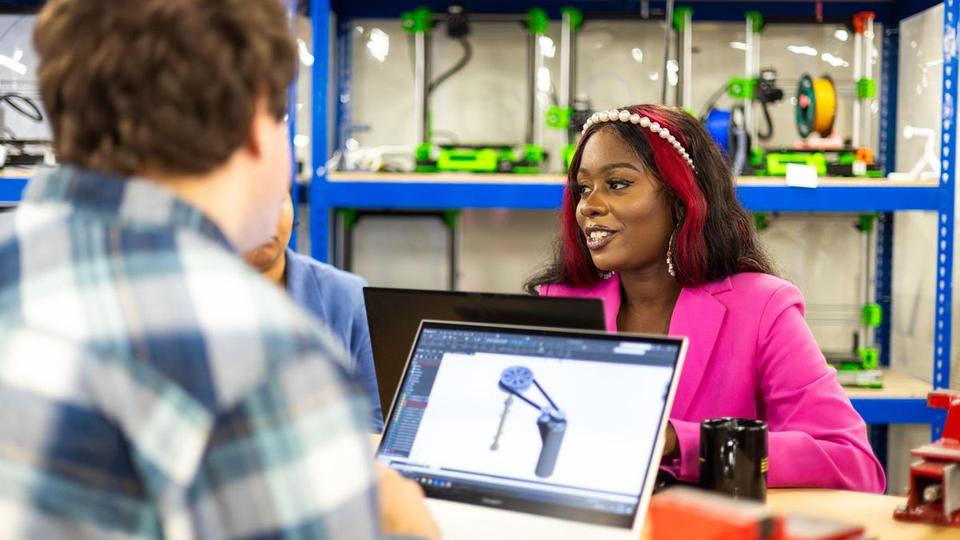
Most people use their 3D printer for keychains and replacement knobs. A growing number are using it for something else entirely.
Print farms, laser add-ons, online shops, CAD skills employers are hiring for. The hobby has quietly turned into an industry, and the people who noticed early are the ones getting paid.
We pulled together the topics our readers are clicking most as of October 2026. Pick the one closest to what you're printing. Each one takes about a minute to read.
1. Makers Are Turning One Printer Into Ten, And Almost None Of Them Paid Cash
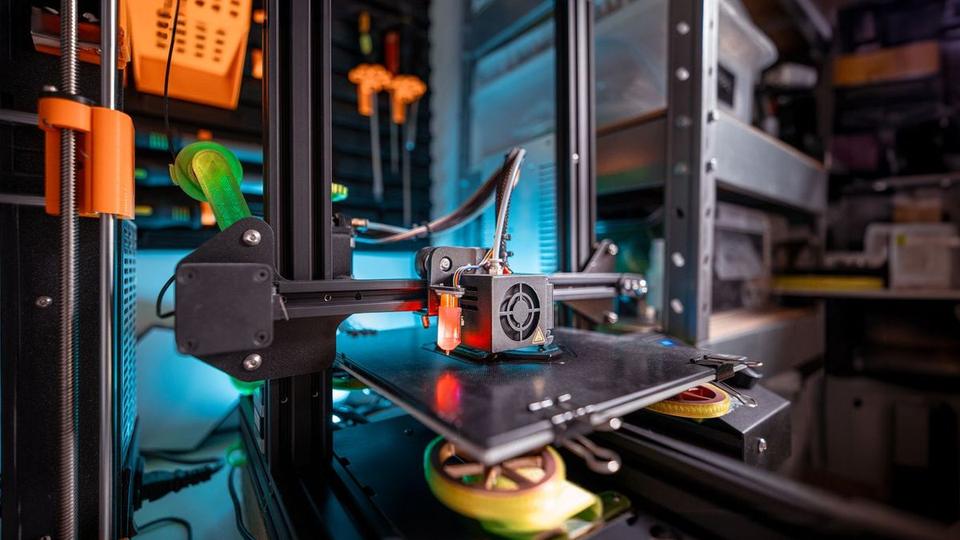
One printer is a hobby. A shelf of them is a business, and the people scaling up rarely pay for the hardware up front.
Equipment financing, small business lines and 0% intro cards are how most small print farms grow. The difference between a smart setup and an expensive one usually comes down to how the machines are paid for, not which machines you buy.
See How Print Farms Get Funded2. They're Printing Entire Houses In Days Now. Here's What One Actually Costs
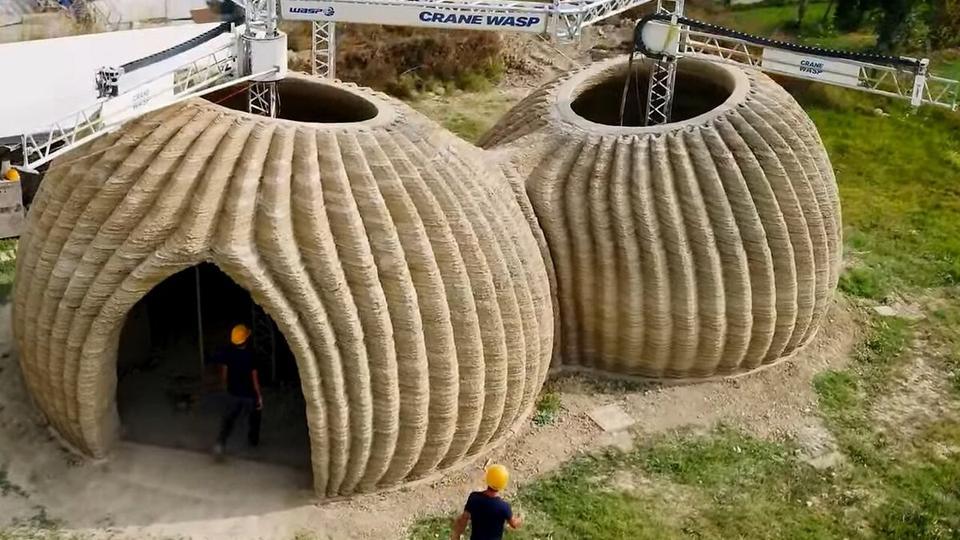
Giant printers are laying down walls layer by layer, the same way your desktop machine prints a vase, only the nozzle is the size of a fire hose.
Printed homes are already going up across the country. What they cost per square foot, how they're financed, and why builders are paying attention might surprise you.
See What A Printed Home Costs3. The Machine Makers Buy Right After A 3D Printer, And Why Their Sales Jump
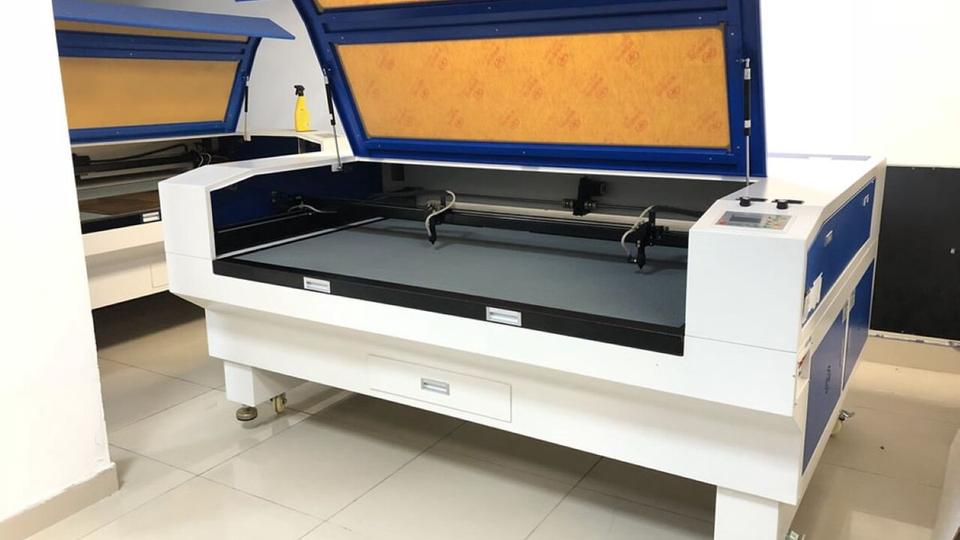
Spend enough time in maker groups and the same upgrade keeps coming up. It's the one that turns a hobby shop into a store.
A laser engraver puts names on tumblers, logos on leather and patterns on wood in minutes. Prices range from a few hundred dollars to several thousand, and the right size depends on what you plan to sell.
Compare laser engravers for a home shop
4. Those Invisible Braces Start On A 3D Printer. Here's What Treatment Runs Today
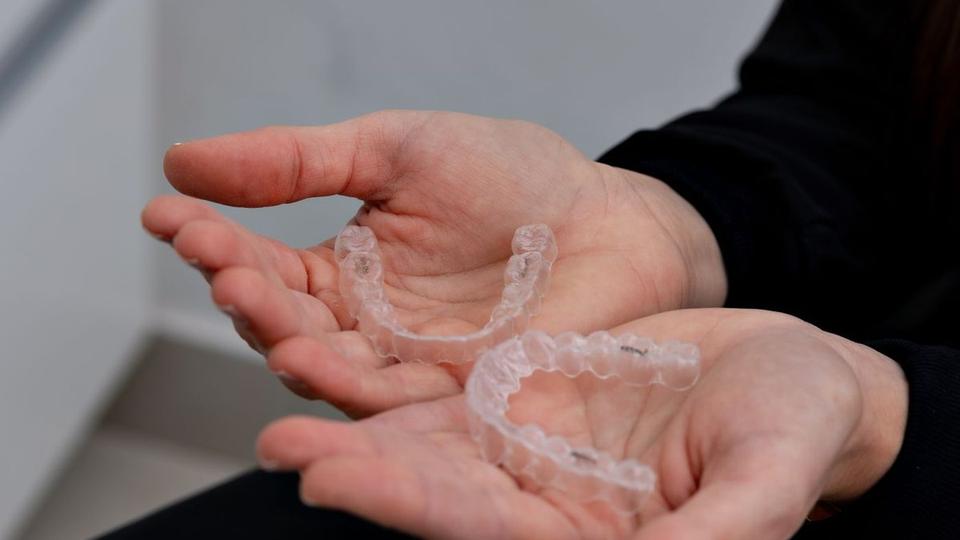
Every clear aligner starts as a printed model of someone's teeth. Labs print a new model for each stage of treatment, then form the tray over it.
Costs vary a lot by provider and by how much movement is needed, and many offices offer monthly payment plans. Here's how the process works and what to compare.
5. You Printed A Prototype. The Next Step Is Where Most Inventors Get Stuck
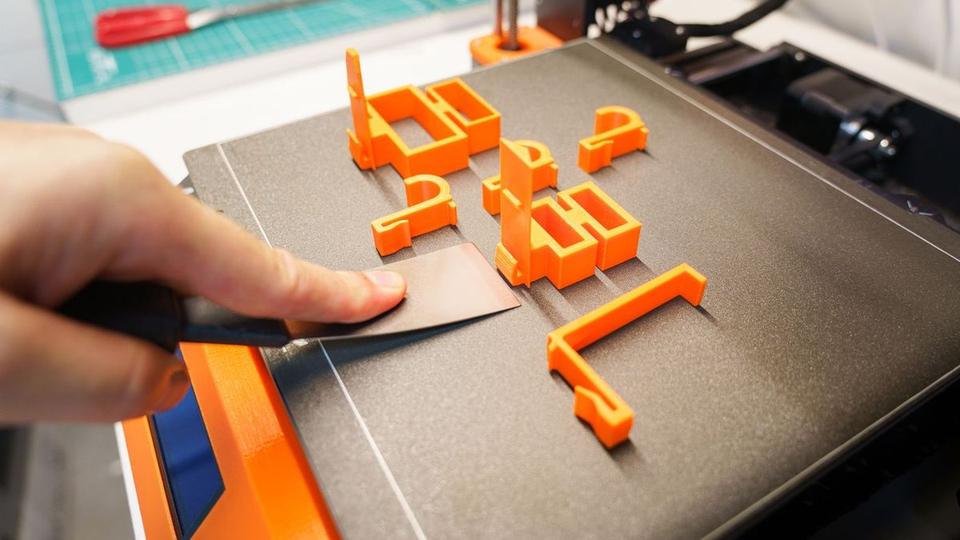
The jump from a part on your desk to a product on a shelf has steps most makers never see coming, and the first one happens before you show anyone.
Patent searches, provisional applications, licensing and small-batch manufacturing all cost less than people expect when they're done in the right order.
See the steps to protect and sell an invention
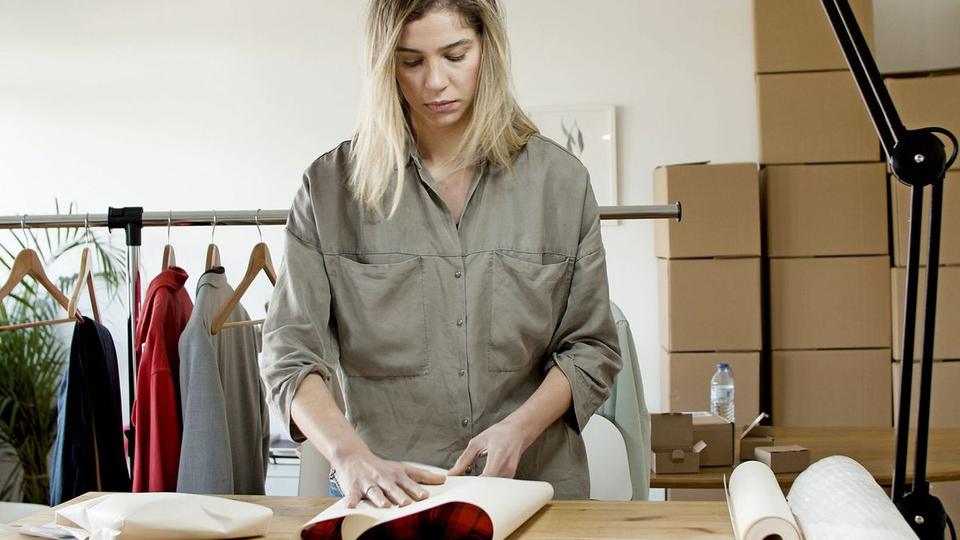
6. Top-Selling Etsy Print Shops Do These 4 Things That Beginners Skip
Planters, figurines, desk organizers. The prints are often the same. What separates the shops that sell from the ones that stall happens after the print comes off the bed.
Where you list, how you take payments, how you ship and whether you set up the business properly are where new shops quietly lose money.
See how successful print shops are set up
See How Top Shops Sell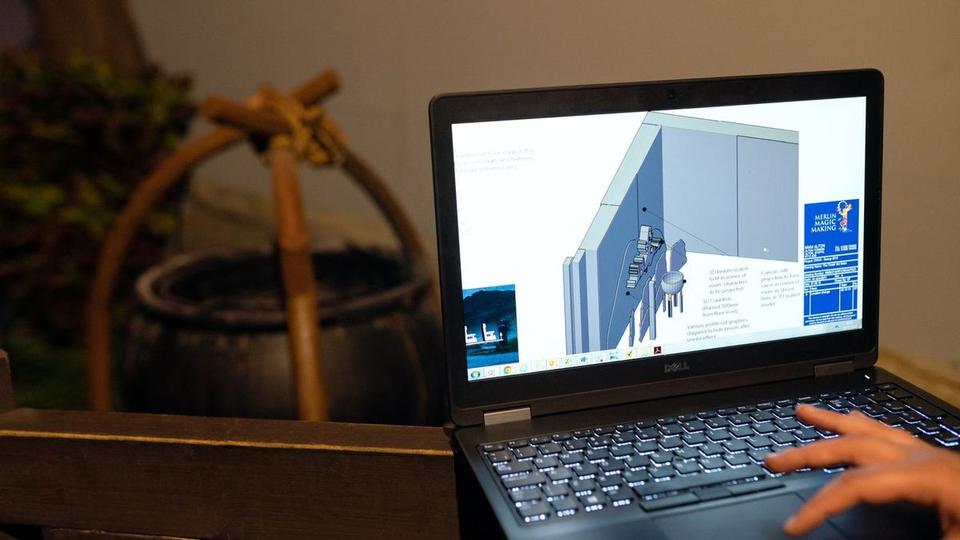
7. The Laptop Specs That Stop CAD Files From Choking, And The Ones Stores Oversell
Slicers are light. Real modeling is not. Processor, graphics card and memory all matter, and most buyers get the balance wrong.
Here's which specs make a difference for CAD and 3D modeling, and where you can save.
Compare laptops built for 3D modeling
Compare CAD Laptops8. Factories Need People Who Know 3D Printing And CAD. The Way In Is Shorter Than You Think
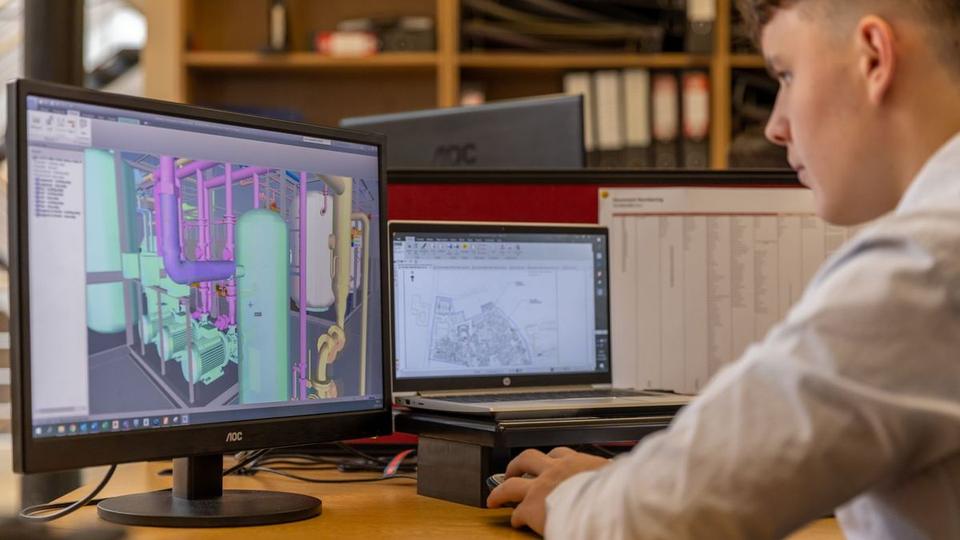
Modern factories run on computer-controlled machines, 3D printers and CAD files, and they need people who know how to use them. The work isn't limited to engineers.
Certificates, apprenticeships, trade programs and online degrees are how most people get in the door. Some take months, not years.
See programs that teach CAD and additive manufacturing
9. What Your 3D Printer Really Adds To The Power Bill, And How Makers Are Cutting It
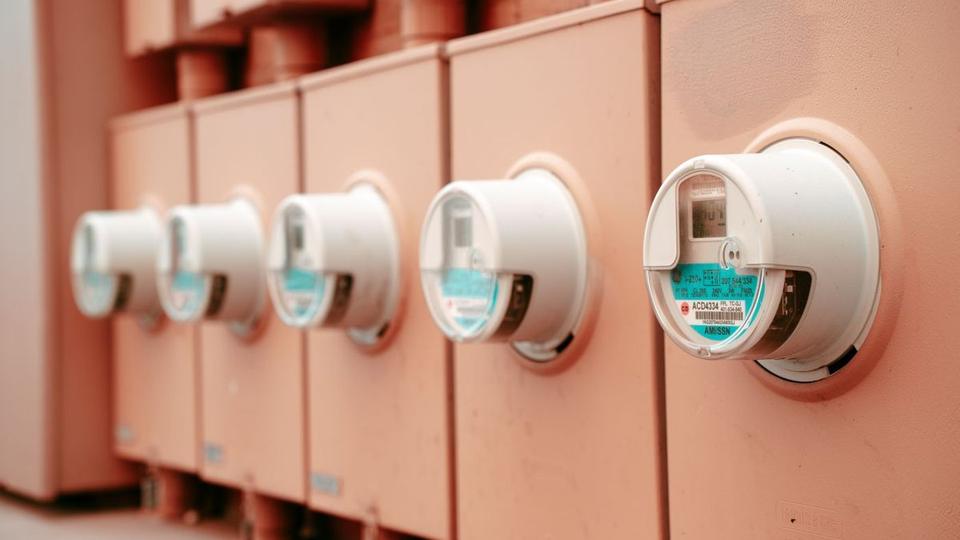
A heated bed running around the clock adds up, especially when you're running more than one machine.
What a printer actually draws, what a small print farm costs per month, and the setups makers use to bring the bill down.
See what a printer costs to run
10. What The Pros Actually Model In, And What Each Program Costs
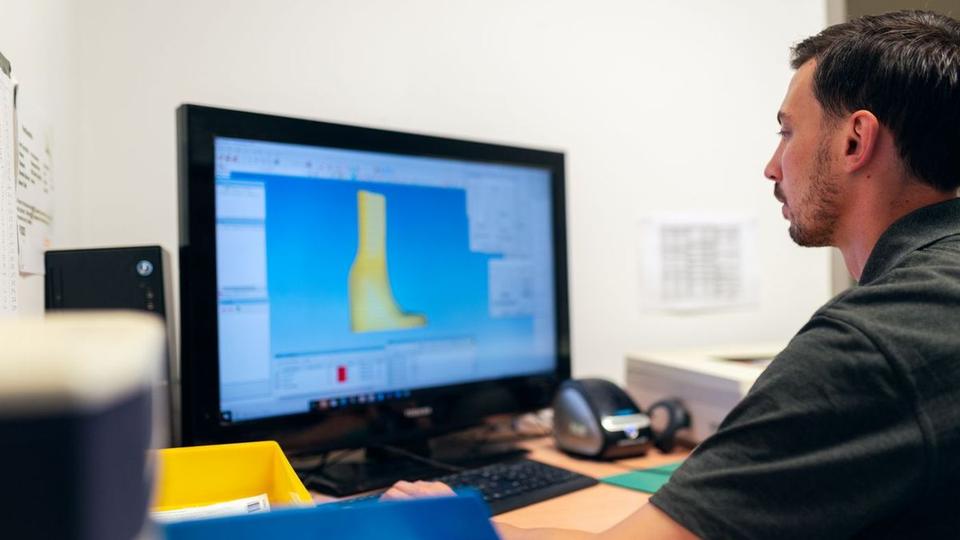
Downloading other people's files only goes so far. The design tools working engineers use range from no-cost to thousands a year.
Here's how the main CAD programs compare, which ones employers ask for, and the fastest way to learn one.
Topics are updated regularly as new tools, costs and opportunities come up. Readers outside the US may see different offers.